Loading...
Serving West Melbourne, FL and surrounding areas. (321) 294-0260
You want a deck that holds up through hurricane season, looks good year after year, and does not come back to haunt you when you sell your home. We build pressure-treated wood decks in West Melbourne the right way - permitted, inspected, and framed for Florida weather.
Pressure-treated wood deck construction in West Melbourne starts with permitting and design, moves through footing installation and framing, and finishes with boards, railings, and a county inspection - most standard builds take two to five working days of active construction once the permit clears.
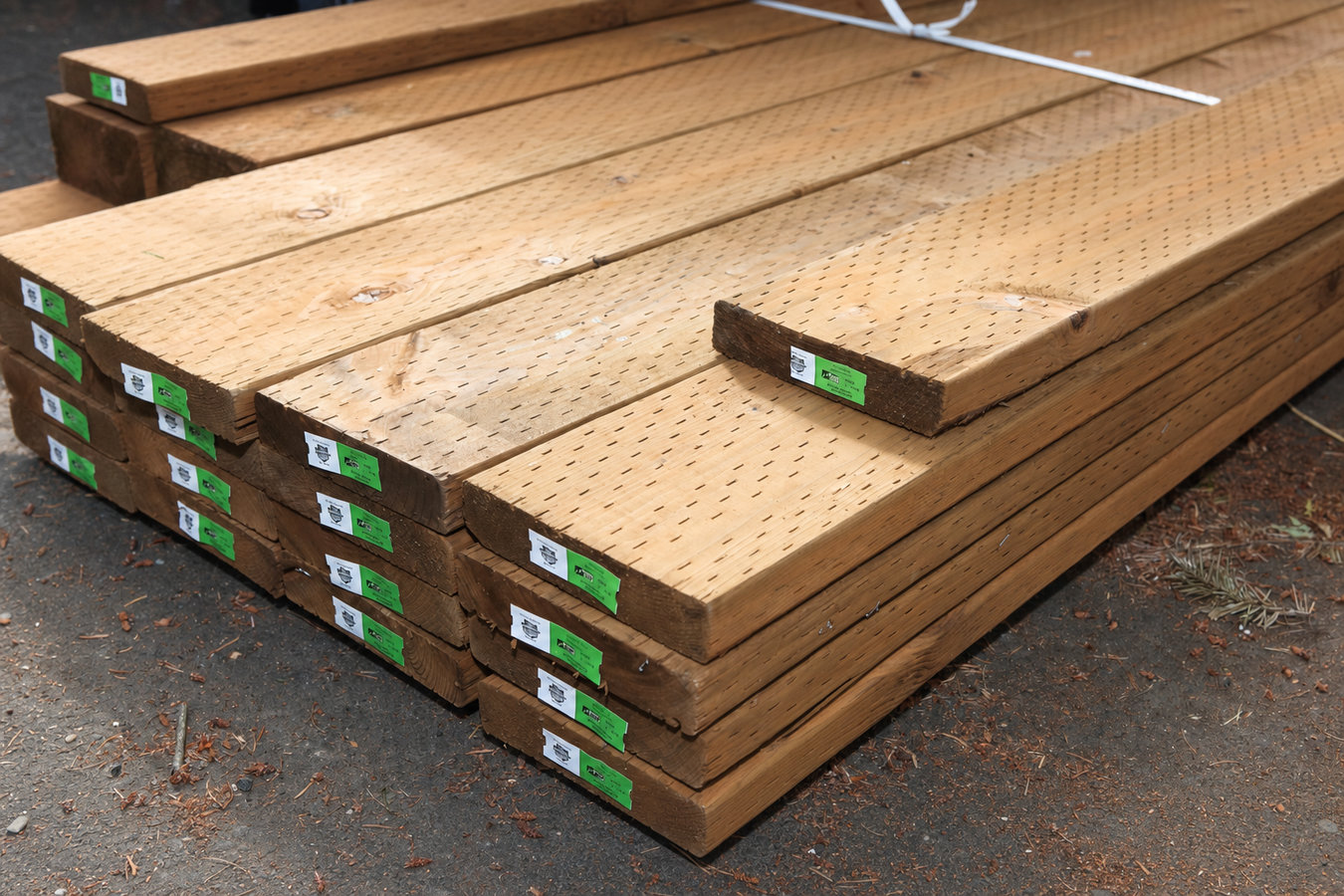
Pressure-treated lumber is regular wood soaked in a preservative solution under high pressure, forcing the chemicals deep into the wood fibers. That process makes it resistant to rot, fungal decay, and insect damage - which is why it is the most common choice for outdoor decks in humid climates like West Melbourne's. A well-built and properly maintained pressure-treated deck can last 15 to 25 years or more. The biggest factors are how well it was sealed at installation, how the deck drains water, and whether the homeowner keeps up with cleaning and resealing every couple of years.
If you want a lower-maintenance alternative that eliminates the resealing cycle entirely, our deck staining and sealing service can help you protect an existing wood deck, or we can walk you through composite options that skip that maintenance step altogether.
If you walk across your deck and feel any give underfoot - especially near the posts or where boards meet the house - the wood has likely started to rot from the inside. In West Melbourne's humid climate, rot can move quickly once it starts. Press a screwdriver into any suspicious spots: if it sinks in easily, the wood has lost its structural strength.
A deck that has started to separate from your home's wall, or that visibly tilts when viewed from the yard, has a structural problem beyond cosmetic repair. This often happens when the ledger board has rotted or when footings have shifted in the ground. In West Melbourne's sandy soil, footing movement is a real possibility on older decks not built to current standards.
Railings are a safety feature, not decoration - especially if you have children or elderly family members using the deck. A railing that moves when you push on it has either loose hardware or rotting posts, and neither problem fixes itself. Florida's building standards require railings to meet specific strength requirements, and a failing railing can create complications if you ever sell your home.
West Melbourne's climate makes outdoor living genuinely enjoyable for eight to ten months of the year, and many homeowners simply do not use their backyard because there is no comfortable place to sit. If you are spending evenings inside while looking out at a perfectly good yard, a deck is one of the most practical investments you can make in your home's livability.
Every project starts with a site visit to measure your space, check yard grade, note how your home is constructed where the deck will attach, and talk through your design preferences. From there we handle the full build - permit application with Brevard County Building Services, footing installation sized for local sandy soil conditions, framing to Florida wind load standards, board layout, railings, stairs, and a final walkthrough before we leave. We also apply an initial sealer at completion to give the wood the best possible start in this climate. For homeowners who want to compare wood against composite materials before deciding, we can walk you through cedar wood deck construction as well, which offers a different look and feel at a similar price tier.
Once your deck is built, protecting it is straightforward but important in Florida's climate. Our deck staining and sealing service can keep your investment looking good and extend its functional life significantly. We recommend a fresh seal every two to three years for pressure-treated decks in the Brevard County humidity zone - less often than many homeowners expect, but consistently enough to make a real difference in how the deck holds up over time.
Best for homeowners adding their first outdoor surface or replacing a concrete slab or old wood deck.
Suits homes with a raised back door or yards that slope away from the house foundation.
Ideal for detached pool surrounds, garden areas, or spots where attaching to the house is not practical.
Full package for elevated decks where safety railings and a finished stair run are part of the design from the start.
West Melbourne sits in Brevard County where average humidity stays above 70 percent for most of the year and summer temperatures regularly top 90 degrees. That combination of heat and moisture is harder on wood than almost any other climate in the country - it feeds mold, speeds up rot, and causes boards to expand and contract constantly. This means the quality of the wood treatment and the sealing work done at installation matters more here than it would in a drier state. Choosing ground-contact rated pressure-treated lumber and using proper ventilation spacing underneath the deck boards are not optional details - they are what separates a deck that lasts 20 years from one that starts to fail in five. The American Wood Protection Association sets the treatment standards that govern what lumber is appropriate for Florida outdoor conditions.
Florida's building code also requires decks to be engineered for high-wind conditions, and Brevard County inspectors enforce this at every stage of the project. What that means practically is more metal connectors, hurricane ties, and heavier fasteners than a deck built in a state without these requirements. It adds modest cost but results in a structure that is genuinely built for what West Melbourne weather delivers. Homeowners in Palm Bay and Rockledge face the same soil and wind zone conditions, and we build to the same standard across all of Brevard County.
We will ask what you are looking for - size, location on your property, features like stairs or railings - and a few questions to understand the scope. This short call sets up a productive site visit. Replies within 1 business day.
We visit your property, measure the area, check what the ground looks like, and talk through your options. We note anything that might affect the build - utility lines, drainage patterns, or HOA setback requirements. You will have a written quote within a few days.
Once you have agreed on a design and signed a contract, we submit the permit application to Brevard County Building Services. This typically takes one to two weeks. No physical work can legally begin until the permit is approved - a reputable contractor handles this step and keeps you updated.
We clear the area, set footings in West Melbourne's sandy soil, and build the frame before laying boards, railings, and stairs. A county inspector visits before the project closes. We then do a final walkthrough, explain basic maintenance, and answer any questions before we leave.
No obligation, no pressure. We come to your home, measure the space, and give you a clear number in writing.
Much of West Melbourne sits on sandy soil with low bearing capacity, which means deck footings need to be sized and placed carefully to prevent settling over time. We know local soil conditions and design footings that account for them - not a generic national standard that may not hold up here.
Every deck we build is framed and fastened to meet Florida's wind load requirements, including hurricane ties and structural connectors required by Brevard County. An independent county inspector confirms this before the project closes. You get a structure that is genuinely built to stay in place during storms.
We submit the Brevard County permit application and flag any HOA requirements before we finalize the design. In West Melbourne's heavily HOA-governed neighborhoods, catching these requirements early protects you from demands to modify or remove a finished deck. You get a written contract with scope, price, and timeline before any work begins.
Membership in the North American Deck and Railing Association keeps us current on industry best practices and code changes that affect how decks are built in Florida. That matters when the state updates wind load or fastener requirements - which it does periodically after major storm events.
Every pressure-treated deck we build in West Melbourne is permitted, inspected, and scoped in writing before we start. That combination protects your investment now and keeps your home's record clean when it matters later.
A natural wood alternative to pressure-treated lumber, with a warmer appearance and distinct grain - suited to homeowners who prefer the look of clear, untreated wood.
Learn MoreThe maintenance step that extends the life of any pressure-treated deck in Florida's climate - UV-resistant sealers and stains applied on a two-to-three-year cycle.
Learn MoreContractor schedules fill fast heading into Florida's peak outdoor season - lock in your start date now with a free, no-obligation estimate.